
Title: Hidden Globalization on food culture
Introduction
Do you love Hong Kong’s food? Can you name the favourite among the famous Hong Kong food? In a gourmet heaven like Hong Kong, choosing the food for our next meal is always the most difficult problem in our life since there are so much choices for us.
While enjoying the food of Hong Kong, have you ever think about the reason that why Hong Kong is having a diversify food culture? What kind of factors cultivated the development of Hong Kong food culture?
To know the answer of this question, we have to understand the history of Hong Kong. We can divided the history of Hong Kong into three phases: Before the first world war, After the first world war and the mid 20th century.
First, before the first world war, Hong Kong is just a small city famous with pearl diving and fishing industry. Since it is apart of Guangdong, the food culture here is already great here. There is an chinese old saying: Eating in Guangzhou (食在廣州), which indicate the abundant of food culture in guangdong district compare to other provinces like Sichuan or Shanghai. Even in one single cuisine fo guangzhou, there are still many branches in different district, for example: Hakka ( which is famous of suancai) , or Tanka (which is famous of dried shrimp). Until now, these branches are still circulating among the traditional family or village in Hong Kong.
Then is the period after first world war. Hong Kong was a colony of British Empire after Qing Dynasty. Hong Kong Island was ceded by the Qing government at the end of the First Opium War in 1842 with the Treaty of Nanking. In 1860, the colonization was further expanded to New territories and Kowloon. After that, the whole Hong Kong was under the control of british government. With the protection of British troops, Hong Kong was protected from the destruction of war , under this period, Hong Kong started to have a good development on economy. With the immigration of british official civilants and other civil servant or businessman etc, the western food culture started to spread in hong kong in order to please those foreigners. For example, the lemon tea was one of the favourite drink of Kong Kong citizens until nowadays, it was spreaded by the britain since they would like to have a cup of tea during their tea time, so the restaurant here have to provide it so they can have these drinks. Not only for the britain, since there are many foreigners came from many different countries around the globe during this period, for example: Indian, France, Portuguese. They all brought their own food culture to Hong Kong. For example, the curry chicken was a famous dish in every tea restaurant in Hong Kong, but it was originated from india.
The third period was the period in the middle of the 20 centuries. It was a tough time for the chinese since there are many wars and disasters in china in this period. After the civil war between the communist party of china and the republic of China in the 1950s, the economy of china turn into the worst point. On the other hand, since there was an embargo for china because of the Korean war, the economy of Hong Kong had a great increase as an entrepot and an industrial city. Due to this reason, many people in all provinces smuggled to Hong Kong to have a safer place. These people brought their food culture from their provinces to Hong Kong .For example, the soyabean milk we would like to drink was actually a drink from Shanghai. These people also make Hong Kong to a place that can taste all the cuisine around the whole China.
So we can see that the diversity of Hong Kong’s food culture was due to the diversity of population. When we discovered a new cuisine or food culture , we would absorb it and turn it into our own food culture . This is the reason that why Hong Kong is a gourmet heaven. In fact, when we try to find out the reason and the consequences of our own food culture, we will be able to discover more about us.
Local Restaurant under globalization
Globalization promotes the cultural exchange in many aspects. As Hong Kong is a global commercial center, it is inevitable to be influenced by many foreign cultures. The integration of local food and foreign food has been started since the establishment of colony.
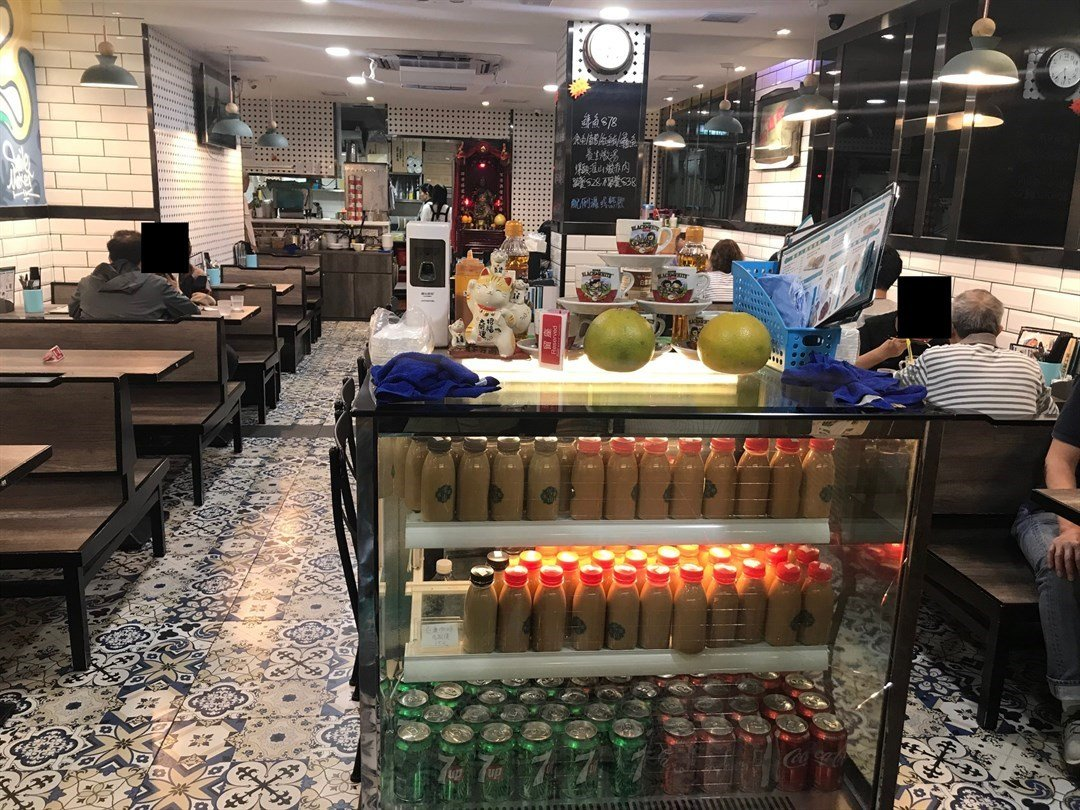
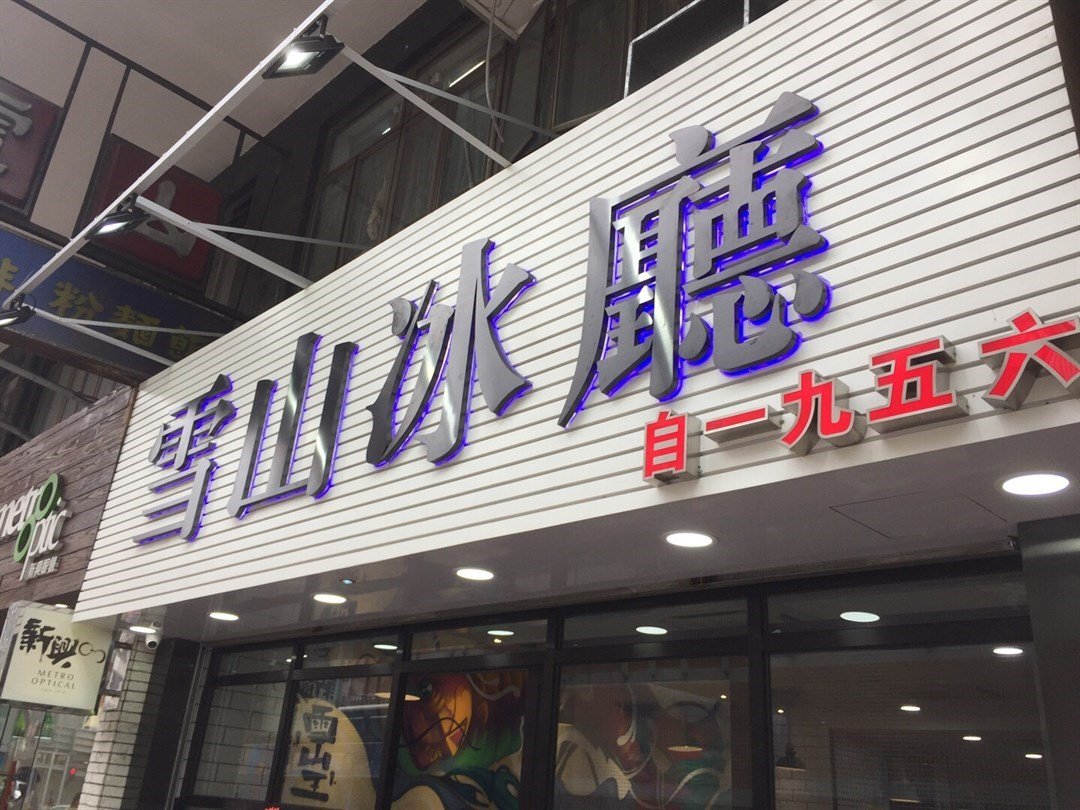
During our research, we set Cha Chaan Teng as our target which is a Hong Kong style tea restaurants. According to the research of Ivan K. W. Lai, the influence of Cha Chaan Teng in Hong Kong culture can be observed by their appearance in Hong Kong movies, TV shows and dramas. We observe a tea restaurant called “Shet Shan” which is found in 1956 and located in Sham Shui Po. It was one of the most traditional tea restaurants as it reserved most of the classic decoration and cuisine styles. Many movie and TV show shootings took place in this restaurant.

However, the decoration of the above figure was replaced by modern style due to the renewal in 2018. In this case, we can observe how the globalization further affects the Hong Kong local restaurant. Many local restaurants may not able to survive under the great competition and pressures among the new restaurants. Particularly, globalization brings a lot of cuisine types that actually pose threat to them. As more restaurants are opened, the operations and labour costs will be much higher. At the same time, diners expect different cuisine types and dining experience. That casts the local traditional restaurants into shade. To deal with these new challenges from globalization, they have to change or even abandon their own features to cater the demand of customers. The following figure shows the comparison before and after the renewal of the restaurant. All decorations including food menu, dining table have been modified which actually lost its own features. These changes are quite controversial as people always wish to preserve the old things, especially the places that underwent the baptism of time.
During the era of British Hong Kong, this restaurant have already provided the cuisine types that is influenced by western style, such as the spaghetti and toast. Looking into the dish names, we could observe the origin of the dishes. For example, the chinese translation of toast (多士) is a kind of literal translation which means this dish is originally found in western countries and then introduced to Hong Kong restaurant at that time. As we can see from the Chinese restaurant, there were not much choices in local traditional dining experience. The special meal and tea set in Cha Chaan Teng also symbolize the changes due to globalization. After the World War II, the process of globalization grown much faster because of the further economic and trade co-operation and exchanges. More foreign restaurant chains establishes their business in Hong Kong as they consider this city as a top tourism city for all people around the world. Since then, more and more kinds of cuisine are brought together from worldwide. These restaurants provide all flavors and opened at all over the streets. The more popular places, the more delicious cuisine, like Mong Kok, Causeway Bay, Tsim Sha Tsui.
Cha Chaan Teng have been playing an important role in transforming traditional Chinese cuisine into Western cuisine (Yu and Titz 2000). At the same time, Western cuisine is also mutually influenced by Hong Kong or even Chinese cuisine. Their research shows that this dining style has became globally, as these types of restaurant have become popular in Chinatown districts in Western nations. On the other hand, the mix of Eastern and Western style does not only happen in cuisine type but also the dining experience. Ethnic Chinese people use chopsticks for dining normally, but it is common for Hong Kong people to use western-style utensils like fork and knife. The renewal of this restaurant shows that globalization is a double-edged sword to local food culture. It promotes the cultural exchanges between countries and brings different dining experience but it also threatens the traditional local cultures.

Globalization in local restaurants
Under the influence of globalization, Hong Kong is a special place for case studies. From the British rule of the past few years to the current maintenance of China, Hong Kong has a Chinese and Western food culture. Globalization has dramatically changed the culture of Chinese food. That facts in Hong Kong are the most obvious and clearest. Hong Kong is a cultural laboratory that can easily integrate other cultural foods and beverages into Chinese society. There is no doubt that Hong Kong’s food culture is completely influenced by globalization and its impact is irreversible. More details will be explained and studied in the following paragraphs.
Over the years, many international companies and travelers have come to Hong Kong because it is the safest city in the world. In addition, Hong Kong has flexibility and consummate laws. Based on this business opportunity, American fast food companies actively expanded to Hong Kong in the 1990s and early 2000s. This is the key to Hong Kong becoming a global city. Fast food culture is of great significance to the globalization of Hong Kong. A study found that most Hong Kong residents believe that fast food is their meal rather than special food. More specifically, the fast food culture has greatly changed the traditional eating habits of Hong Kong residents.
Fast food culture has been successfully integrated into local restaurants in Hong Kong. According to our research, Cha Chaan Teng(茶餐廳) is also known as the East and West Restaurant, which is the world’s most famous Hong Kong food culture. To adapt to the fast food culture, Cha Chaan Teng will sell the same products as other fast food restaurants, such as fried potatoes and fried chicken. In addition, Cha Chaan Teng will transform traditional Chinese dishes into Western food such as West Toast (西多士). This is an significant representative of the globalization of local restaurants in Hong Kong.

Globalization has brought several advantages to local restaurants in Hong Kong. Firstly, Globalization has made local restaurants richer in their menus and easier to find food suppliers. All food is not subject to seasonal restrictions. For example, even if the restaurant is located in the inland area, it is easy to get fresh fish and seafood due to globalization. In addition, food costs can be reduced due to an increase in the number of potential suppliers.
And then, globalization offers sales opportunities to customers around the world. For example, fish balls and Shumai(燒賣) are famous foods in Hong Kong, and globalization will affect their taste and appearance to suit foreign customers. In addition, globalization will affect prices and marketing plans. On the other hand, globalization offers local restaurants the opportunity to work with local ingredients and suppliers. After the marketing plan changes, local restaurants can purchase food sources of local ingredients to avoid shipping costs and improve food quality. This is a better expectation that everyone wants, and globalization makes this a great way to stand out from the crowd.
Impacts on foreign restaurants
Hong Kong is a mixture of foreign and local culture. We had discussed on the how the local restaurants change under globalization. In this part, some foreign restaurants located in Hong Kong will be discussed. We chose McDonald’s as our target restaurants, and we will figure out how Hong Kong food culture affects the foreign restaurants and how their management methods affect the local food culture.
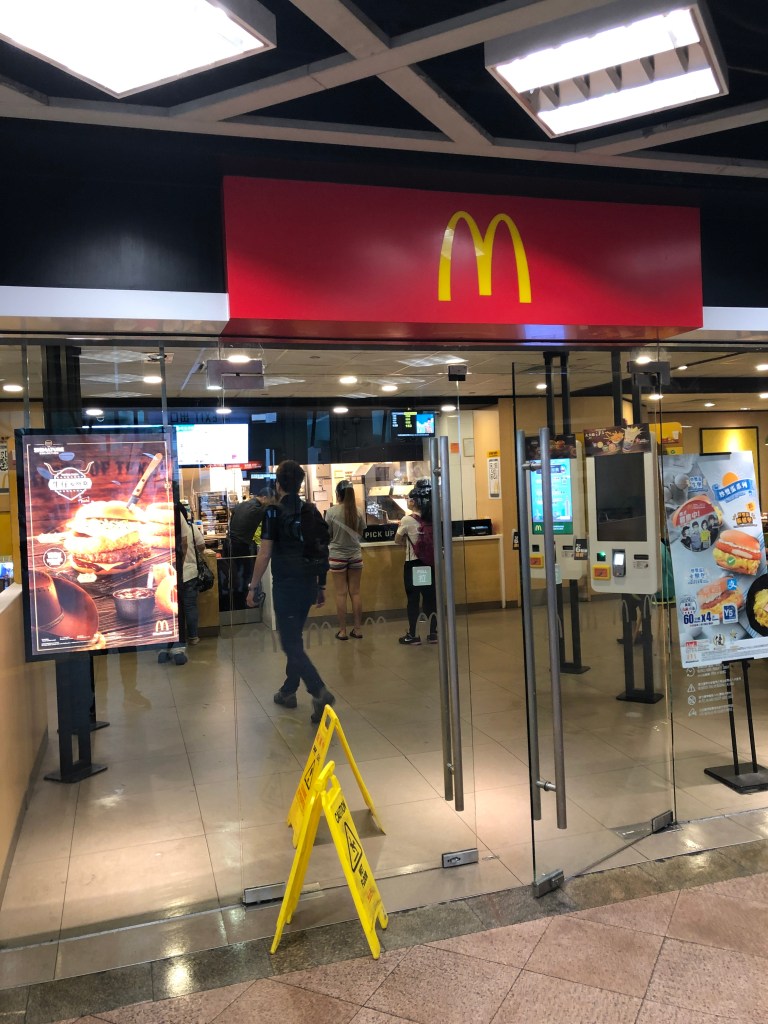
McDonald’s is a fast-food restaurant found in America in 1955. It is a famous restaurant all around the world since it opened its branches in different countries including Hong Kong. It is like a symbol of fast-food culture, so we choose it as the representative of foreign restaurants. There are many research found that McDonald’s management method affects a lot to the whole world food culture in four aspects, 1) efficiency, 2) calculability, 3) predictability and 4) control.
- Efficiency
McDonald’s provides fast-food its customers. To maximize the profits and reduce the time needed for each customer, McDonald’s has some ways to minimize the dining time. Every McDonald’s has well division of labour. Every single staff is assigned for one process in the production line. Besides, they provide little choices for the customers which can minimize the food choosing time of customers.
2. Calculability
McDonald’s tries to transform all their products and services provided to numbers. This method can help it to calculate the performance easier. For the staff and branches, numbers are more helpful to measure the performance of a staff and branches. For the product qualities, it has a special to calculate the weight, size and production time.
3. Predictability
McDonald’s want to predict every single product is the same which this predict can avoid mistakes and product differentiation. Therefore, McDonald’s standardize all procedures in the production line. Moreover, the trademark and logo of every branches are the same. This can increase the recognition of the brand and branches.
4. Control
Uniforming the employee is one of the way that McDonald’s used to control the company. It transfer its production form manpower to machine. Employee assists the operation of machine, this can keep the consistency of taste, size and volume. This transformation also can simplify the production process, which means that the skills needed of employees are less than before. It is easier to employ low skill workers with lower salaries.
These are the management method that McDonald’s is using. All these affect the local restaurants a lot under globalization, many of the restaurants follow these ways and reform their restaurants to imitate the operation that McDonald’s did. This imitation and the landing of McDonald’s bought the fast-food culture to Hong Kong. This really can fit to the fast-paced lifestyle of Hong Kong people. Yet, these are not the only reason that why some foreign restaurants can success in Hong Kong. Localization is the other way that why they can success.
In the field work, we had been to Hong Kong’s McDonald’s to explore why it success in the local food industry. We also interview a student who had stay in US for a year to find out the difference between Hong Kong and US McDonald’s.
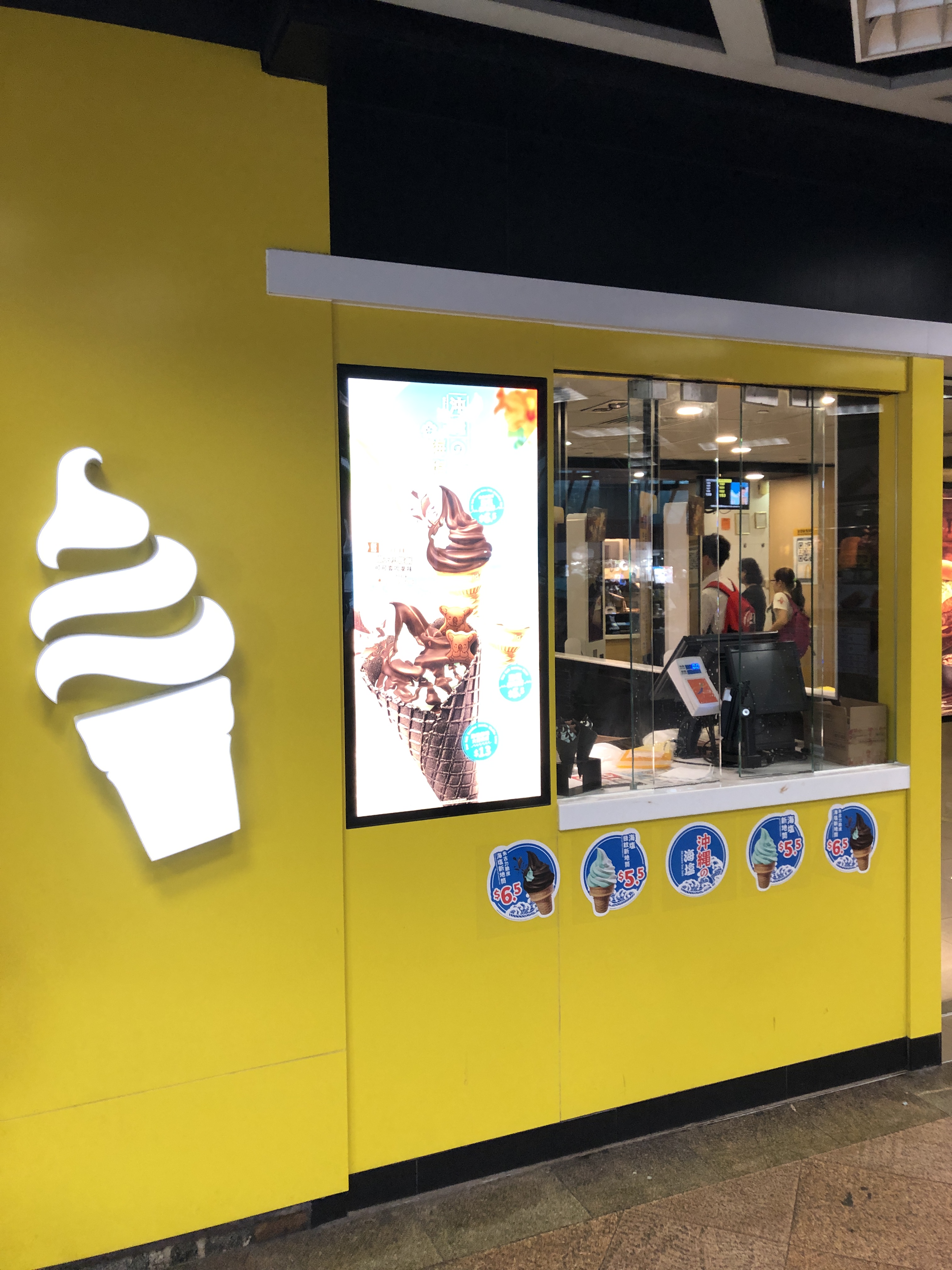
The largest way we found is the product differentiation. The interviewee said the Hong Kong McDonald’s provides many special products which US McDonald’s do not provide, like the shake shake powder (shake shake粉), festival burger, e.g. Lunar New Year burger (招財福堡). Besides, “Fan” tastic burger (飯tastic) and twisty pasta (扭扭粉) are some example of products that Hong Kong McDonald’s is exclusive. These products is created to cater the local taste. These kind of food is more suitable for Asian than American. Apart from the type of cuisine, food size is another way that McDonald’s change in different countries. According to the interview, we can find that most of the set in America is called “Jumbo Size”. We can see that Hong Kong’s McDonald’s provide only small, medium and large size. 20 Mcnugget is provided in American McDonald’s, however, in Hong Kong only 6 or 9 mcnuggets is provided in the normal time. This is considered because the food intake of Asian is less than the western countries.
The other differences are the price and promotion. McDonald’s provide the same products with different price in different countries. According to the Big Mac Index. The pricing strategy is according to the purchasing power of of different countries. We can see that the product price in Hong Kong is much lower than in US. Such pricing strategy can effectively cater the local people to enjoy the McDonald’s meals. Furthermore, the promotion plan is different. It is obvious that Hong Kong McDonald’s provide 25 HKD set (廿五蚊餐) to attract people to purchase a set. In US, our interviewee said that McDonald’s provide 5 USD for 20 McNuggets to attract people to purchase more food.
These difference shows that McDonald’s apply different strategy to cater to the local taste. This is the localization, also how the local culture affects the foreign restaurants. The foreign food culture and the local food culture is affecting each other under globalization. Every restaurant learn from the successful case and reform their own in order to stand out from the industry.

Pros of globalizaon
Globalisation is the outcome of integration of markets from worldwide, causing to the increased interconnectedness of national economies and cultural integration which imposes both positive and negative effects on food culture in many aspects. For example, lower transportation cost results in lower production cost for restaurants. The US fast food giant, Mcdonald’s is one of the largest scale company which enjoy the benefit of the globalisation and make great use of such advantages to expand their business. Whereas there are many restaurants and traditional food recipes vanishing in the market due to keen competition and the desire for reducing production cost under globalisation. For example, Salted Egg Yolk Layered cake (奶黃千層糕) can hardly be found in Chinese restaurant due to complicated production process. The following paragraph will focus on the advantages which globalisation brings as well as the disadvantages which we suffered.
Under globalisation, some restaurants are able to access to larger market to meet higher demand for their food. For examples, Mcdonald’s, KFC, Tsui Wah restaurant are able to enjoy the benefit of economies of scale which reduces average production cost as a result. This also provides incentives for these company to widespread their food culture. Mcdonald’s has spread american fast food culture worldwide and Tsui Wah restaurants expand Cantonese food culture in mainland China as well as Singapore. Hong Kong is a market which combines different kind of food culture like Indian, Chinese , Cantonese, Japanese, Thai……etc. As a result, there are more choices for customers.
Except more choices for customers, the rise of social media is also the consequence of globalization. Information exchange in a much faster speed than a decade ago and this better shape the food industry. With the help of social media, small restaurants are able to gain more exposure and stand higher chances to survive. Michelin Guide is a vivid example of platform which helps promoting small restaurants which provides good food to their customers. Instagrams, Facebook and Openrice are also great platform for sharing restaurants review and they has been popular in the food industries.
Cons of globalalizaon
Under globalization, monopolization exists. As company which has large structure can have more monetary power to expand their business with higher degree of economies of scale as well as enjoying comparative advantage in pricing and marketing. Therefore, transnational enterprises have more resources and they are able to use low pricing strategies. There is a strong likelihood that local enterprise lose in the competition. For example, there is only 24 street side food stalls left in Hong Kong. We can observe that globalization damage the unique feature of the local culture.
As mentioned before, there are likelihood that some food culture will disappear under globalization, man-made product and food which required complicated production process are relatively high cost. Under intense competition, business would prefer to reduce their production cost at any means. Therefore, they would probably rule out those high cost product and to choose low cost products which can turn to automation instead. Salted Egg Yolk Layered cake (奶黃千層糕) is a example which is abandoned by majority chinese restaurants due to complicated production process resulting in high cost.
Moreover, many companies will minimize their cost as the first objective because they have to maximize the profit. Some restaurants may hire less people and use inexpensive and low quality ingredients instead. Therefore, those restaurant may suffer from less customers due to low quality of service and bad reviews on the social media. As a result, they hardly survive in the market. Under globalization, A lot of restaurants closed up under such circumstances and if they were not closed, probably they will suffer from less customers and decrease in quality.
Conclusion
In conclusion, Hong Kong is a place where influenced a lot by globalization. In our report, we focus on the impact of our food culture. Hong Kong food culture become the combination of the traditional Chinese culture and the western culture. We have emphasized the change of the food culture from the Cantonese style to the multinational style. And our food culture have changed due to the history including the first world war, the rapid growth of the globalization. And we find out that most of the multinational corporation has entered Hong Kong and it provides us lot of food choices. Apart from the food which have their own country’s features, they have added some elements of Hong Kong in order to fulfill the need of Hong Kong’s customers. We introduced some special food which can show the combination of the Chinese and Western features. Also, we did two interview to have a deeper look about how is the feeling of the local citizen about the change caused by the globalization. By comparing the multinational corporation in their own country and after the localization of the corporation, we find out that there have some improvement for both of them. Local restaurant learn from the management method and process from the Western. On the other hand, the multinational corporation create some new fusion product for the Hong Kong’s customers and I believe that those products can be marketed back to their own country. Nowadays, there are lot of Chinese people emigrated to the foreign country. They must feel familiar with those fusion food which have their hometown’s features. On the other hand, foreigners may also feel interested about those fusion food which allow them to explore the taste of the Chinese. We can see that globalization can definitely benefit both of the country. Be that as it may, we should not neglect the damage to our country which caused by the globalization. Government should implement some strategies to help the local enterprise compete with the multinational corporation in order to protect the unique features of our places. One thing that our Government can do is to give our more hawker license. Government stopped to give out hawker license since 1972. And the existing license can only be inherited by the owner’s descendants. The hawker stalls which selling the food with local features is one of traditional and unique element of Hong Kong. Government should do something to protect them and be aware of the disappearance of other things which represent our place.




 Food Globalization